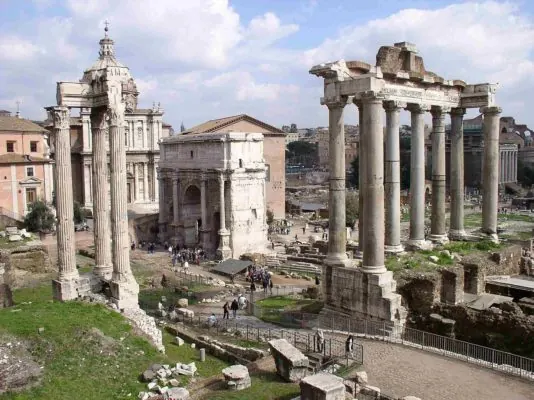

The term Gerousia refers to the council of elders in ancient Sparta, a pivotal institution in the Spartan political system. This article delves into the origins, structure, and functions of the Gerousia, highlighting its significance in Spartan governance and its enduring legacy.
Etymology and Origins
The word Gerousia (Greek: γερουσία) derives from gerōn, meaning “old man” or “elder,” combined with the suffix -sia, indicating a council or assembly. This council was integral to the Spartan constitution, traditionally attributed to the legendary lawgiver Lycurgus.
Composition and Membership
The Gerousia comprised 30 members: 28 elders (gerontes) over the age of 60 and the two reigning Spartan kings. Membership was for life, and gerontes were elected by the citizen assembly through a unique method involving acclamation.
Functions and Powers
Legislative Role
The Gerousia held significant legislative authority, including the power to propose laws and policies to the citizen assembly (Apella). It could also veto decisions made by the Apella, ensuring a check on popular power.
Judicial Authority
As the highest court in Sparta, the Gerousia had jurisdiction over serious criminal cases, including those involving capital punishment. It could even try kings, exemplifying its extensive judicial reach.
Influence and Legacy
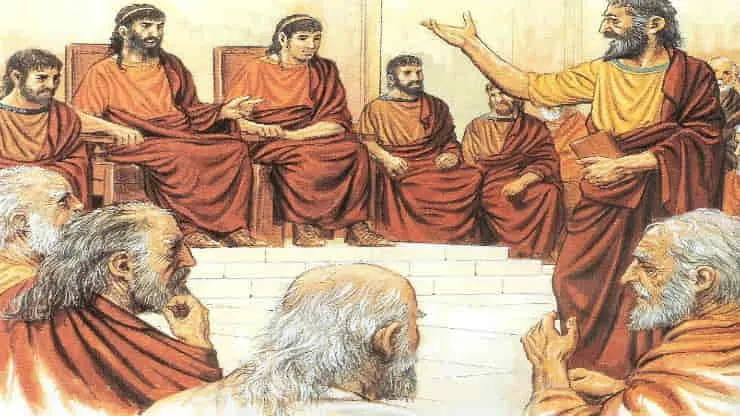
The Gerousia’s influence extended beyond its formal powers. Its members, often from aristocratic backgrounds, wielded considerable sway over Spartan politics and society. The institution’s emphasis on age and experience underscored the Spartan value placed on wisdom and stability.
Gerousia in Other Greek States
While most prominent in Sparta, councils akin to the Gerousia existed in other Greek city-states, particularly among the Dorians. For instance, cities like Ephesus had similar councils overseeing civic matters.
Conclusion
The Gerousia was a cornerstone of Spartan governance, embodying the city-state’s commitment to a balanced political system that valued both popular participation and seasoned counsel. Its legacy offers insights into ancient political structures and the enduring importance of institutional checks and balances.